The Kayan “Long Neck Tribe”
Reflections 20 Year On
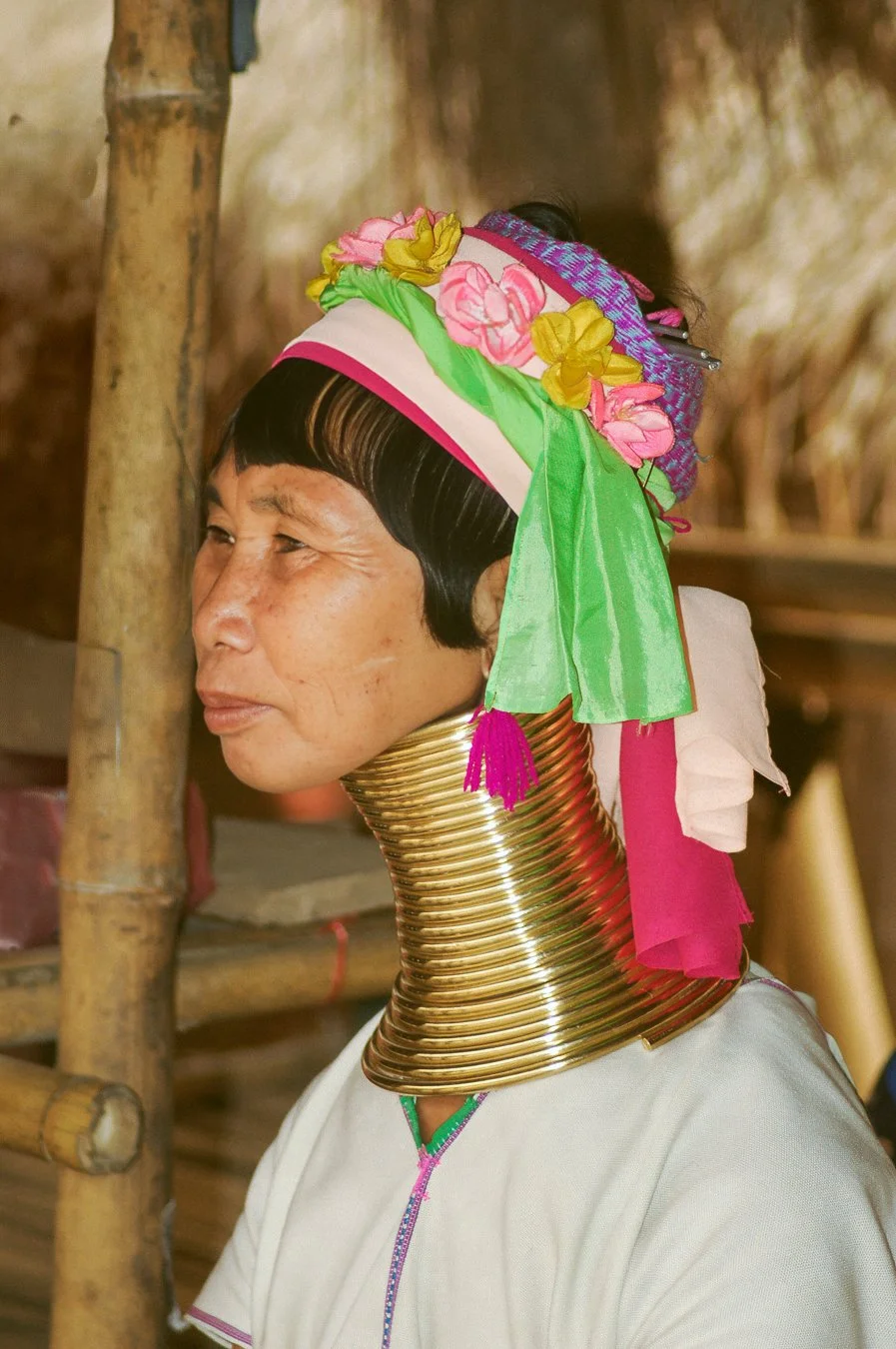
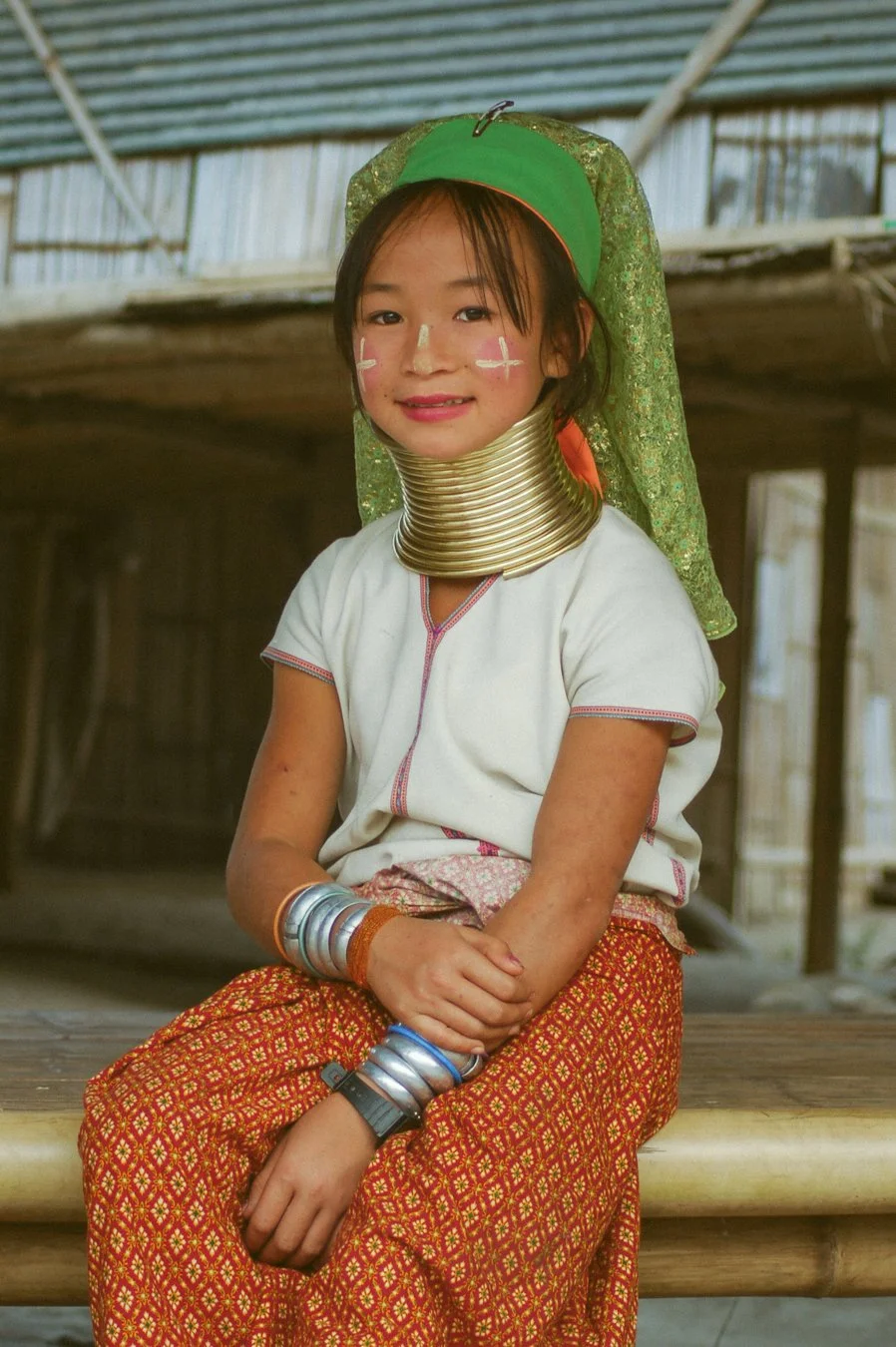
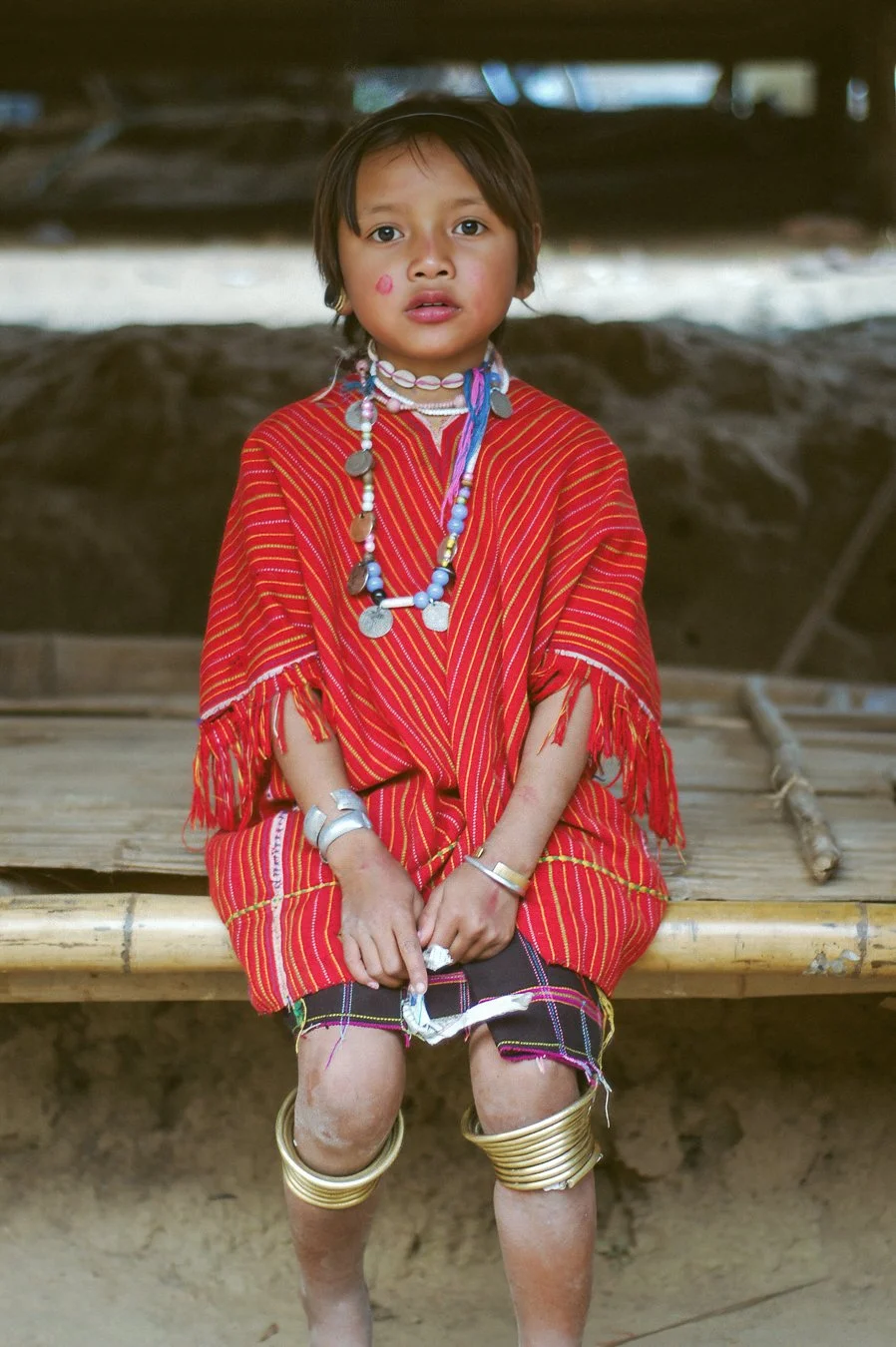
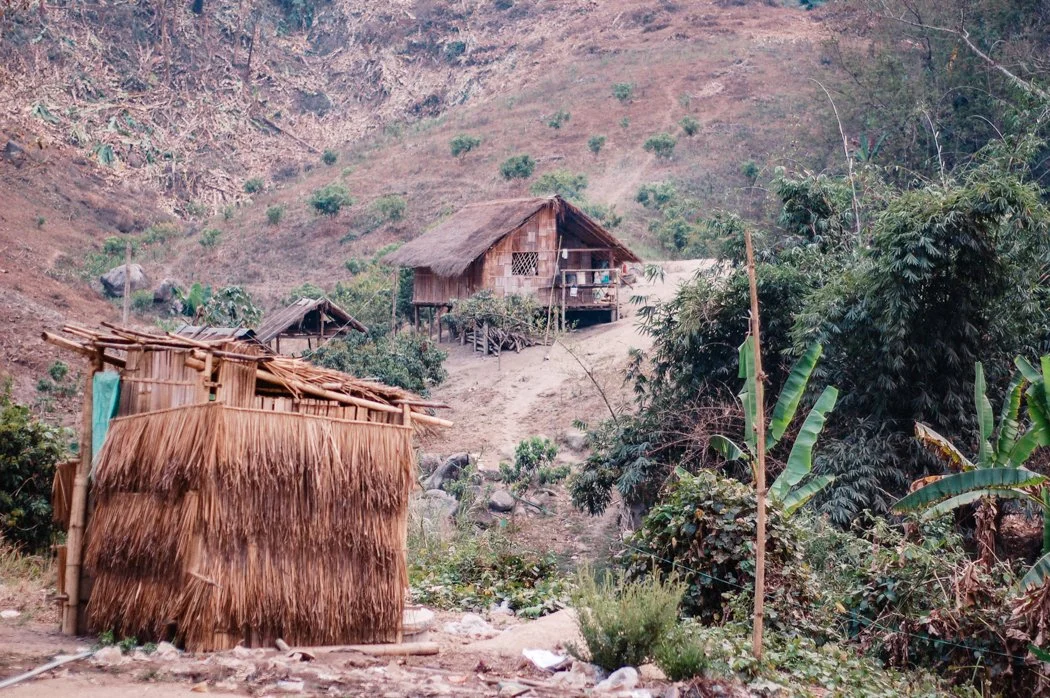
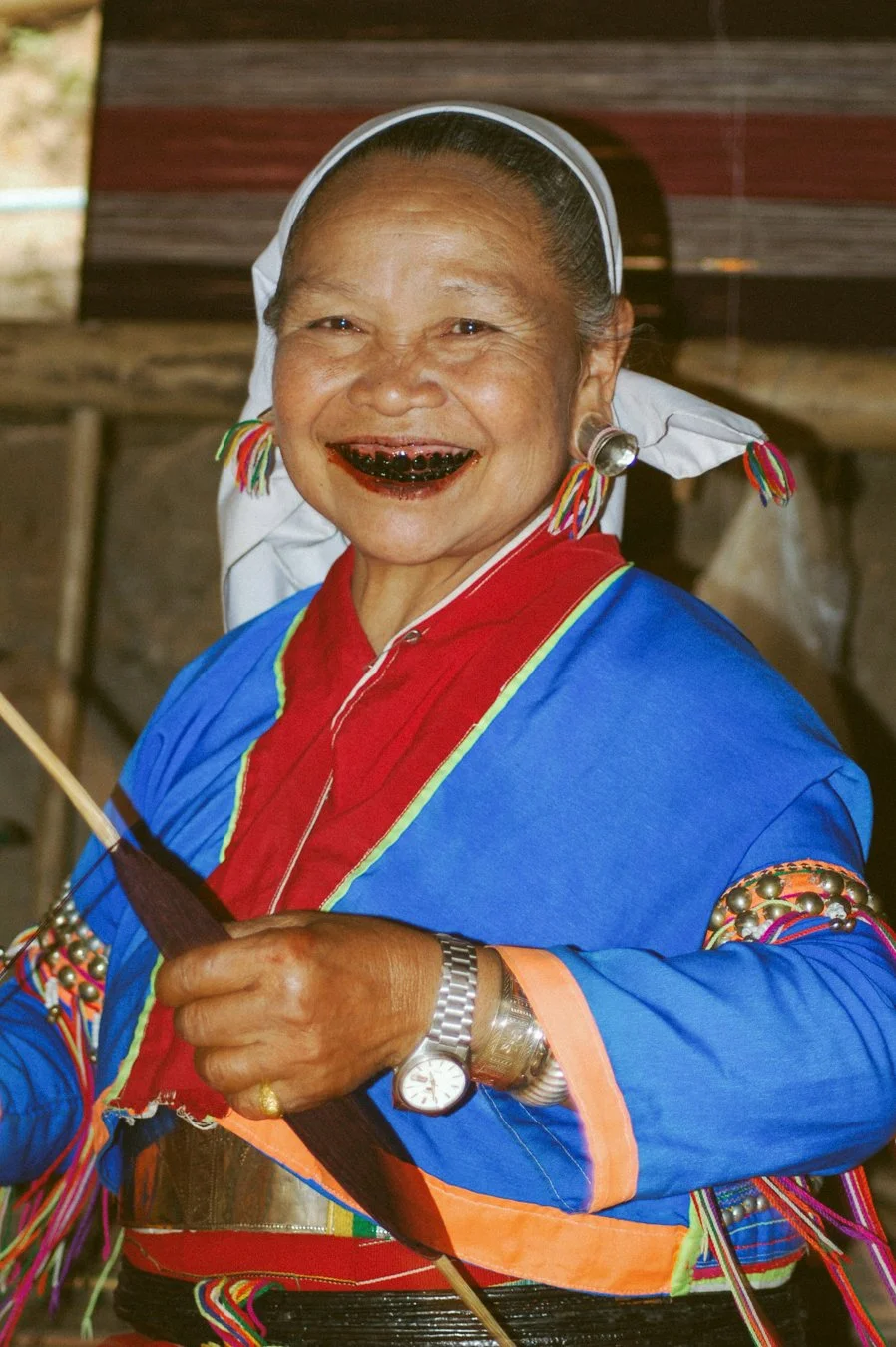
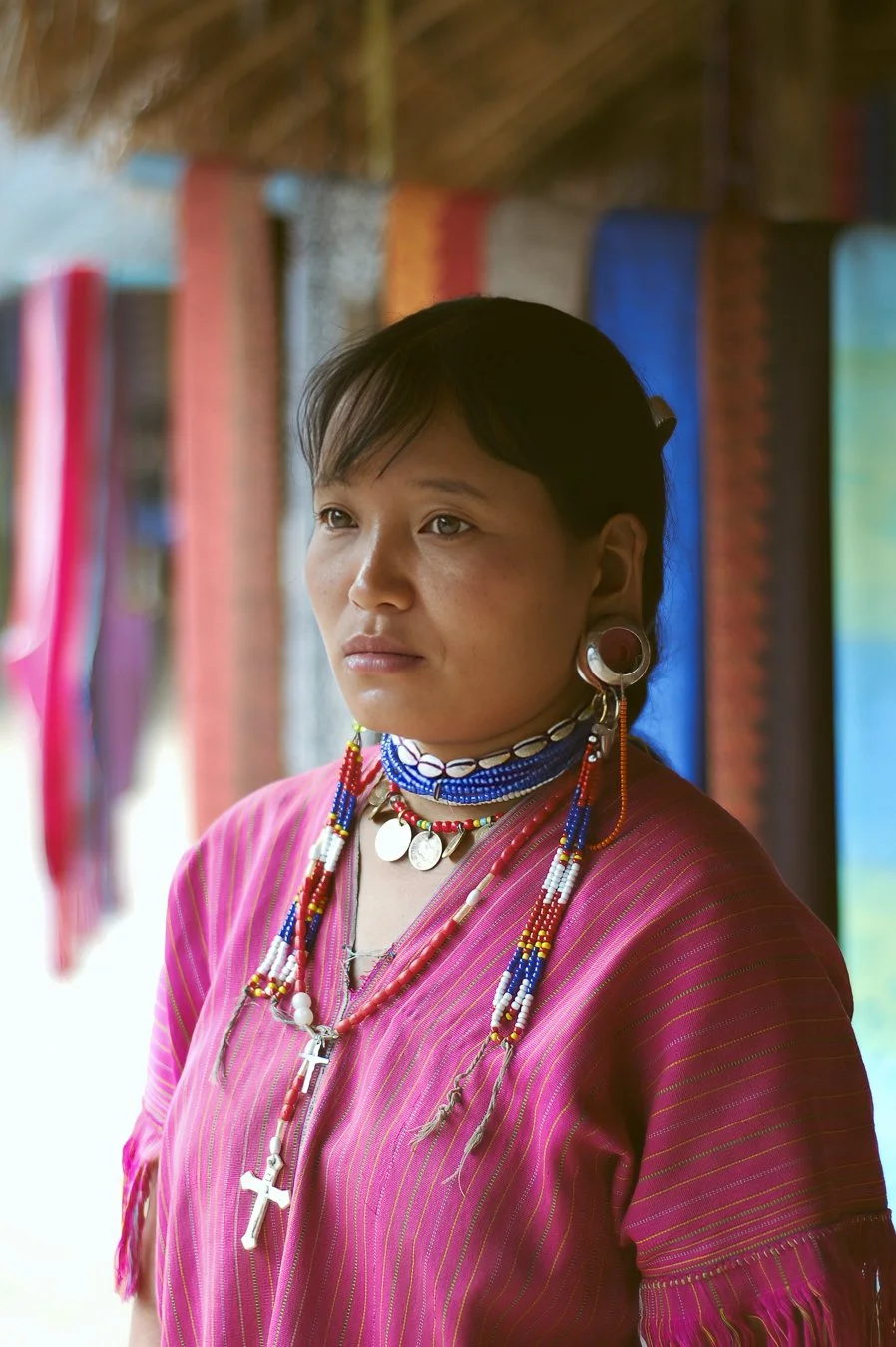
I took these photos back in 2007 while backpacking through South East Asia. These women are part of the Kayan Tribe, residing in the northern province of Chiang Rai. They are commonly referred to by tourists as the "Long Neck Tribe." The women wear brass coils around their necks that give the illusion of having a "long neck." In reality the neck does not lengthen, but over time the collar bones and rib cage compress, often resulting in irreversible deformities.
I was in my early twenties, travelling with a beautiful mix of curiosity and naivety. I appreciate the wisdom age brings, but there are moments I still wish I could see the world through the same hopeful lens.
These villages had been tourist destinations for decades by the time I arrived, though nothing could have prepared them for what smartphones and social media would bring.
Even then, something didn't sit right. We had visited other local villages that felt authentic. Tragic in parts, yes, but real. Here, I felt something heavier. There was a wariness in the women and girls when I photographed them..
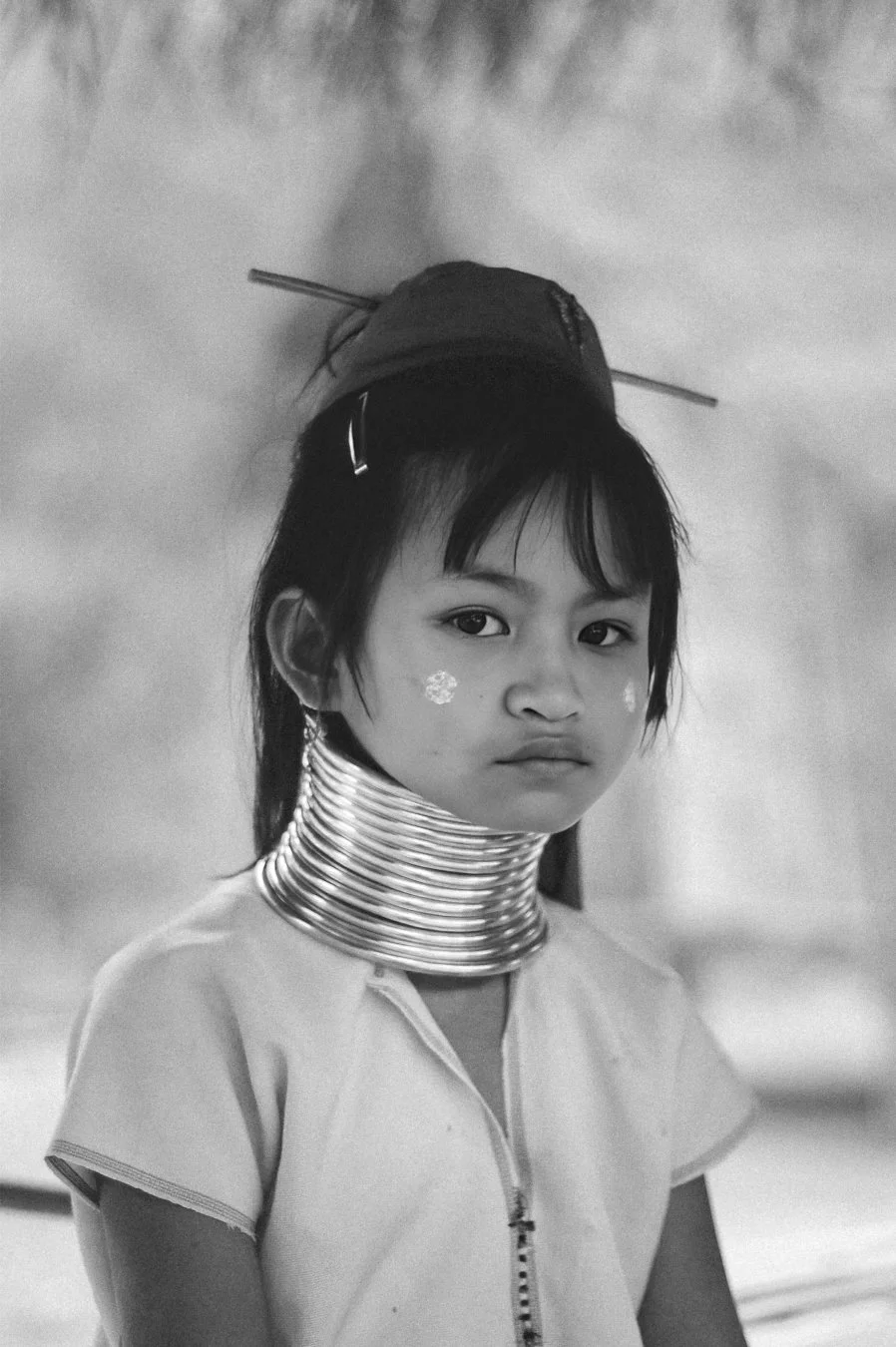
The Kayan people fled Myanmar decades earlier, escaping political persecution and violence. Refugee camps were established in northern Thailand, and over time some became tourist destinations built around the "long neck women." It was survival within an incredibly narrow set of options, limited rights, restricted movement, few economic alternatives. Poverty has a way of changing what freedom and choice actually mean. It is a choice, technically. But if this is the best choice a parent can make for their child, they are not choosing from a fair system. We paid an entrance fee, which I have since learned went mostly to Thai authorities who controlled the women's wages, movements and freedom.
I paid to take photographs. It wasn't something I'd done before, but it felt like the right thing to do. I understand now that this money, along with what was made from selling their handicrafts, was how they earned the majority of their income. Even so, something told me back then that these photos were not mine to take. I still sit uncomfortably with that. I was participating in a system I don't approve of.
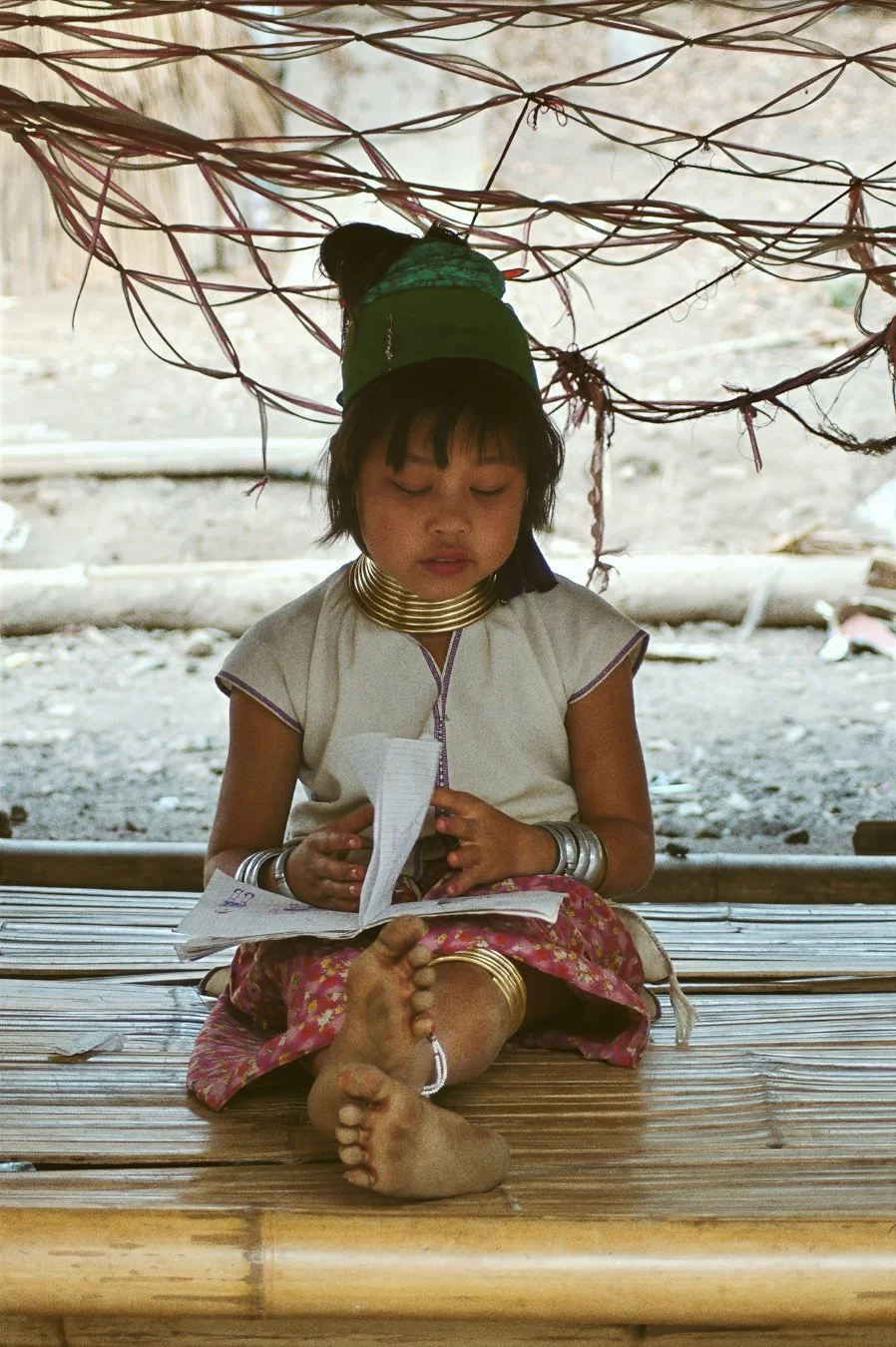
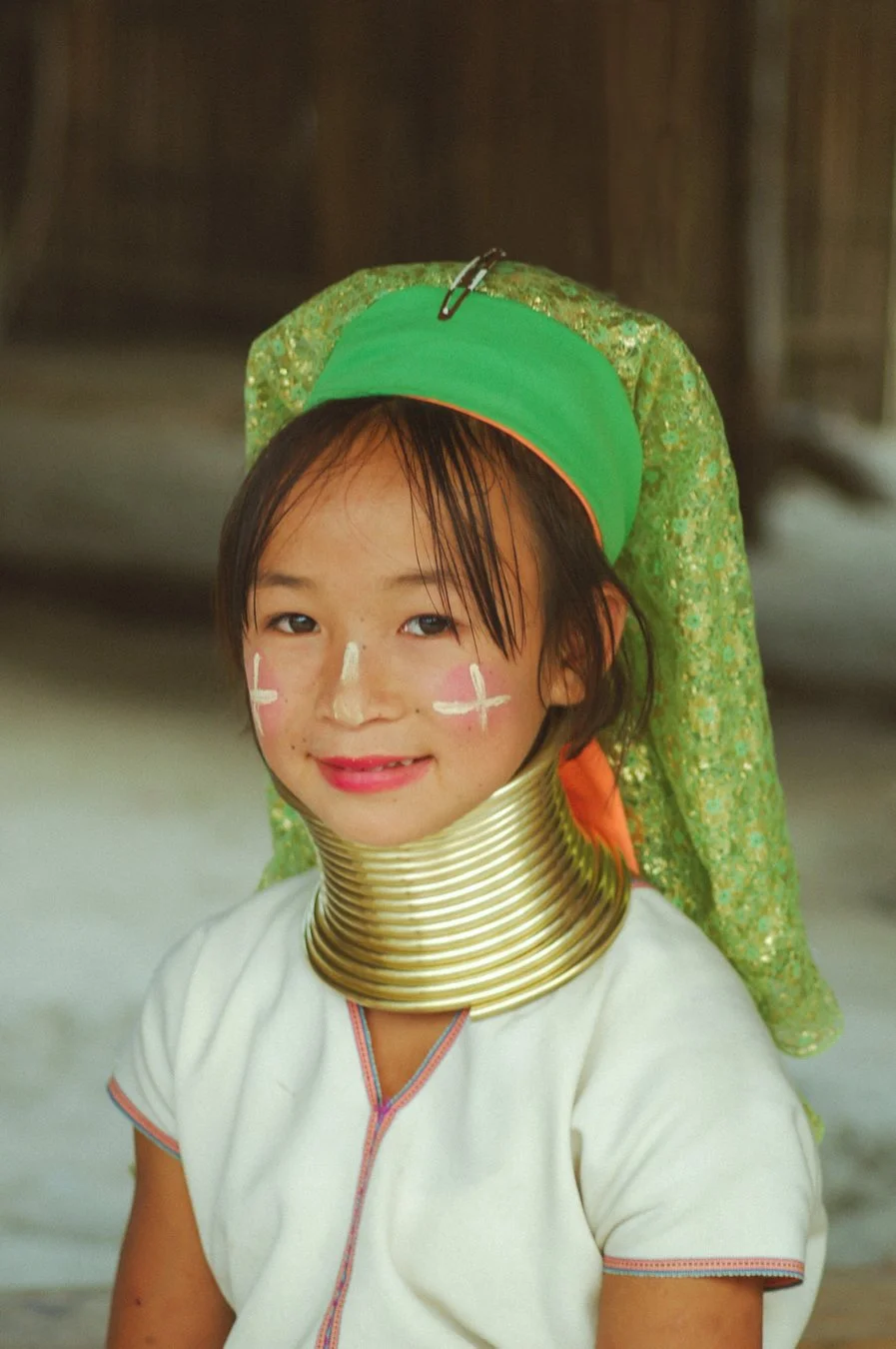
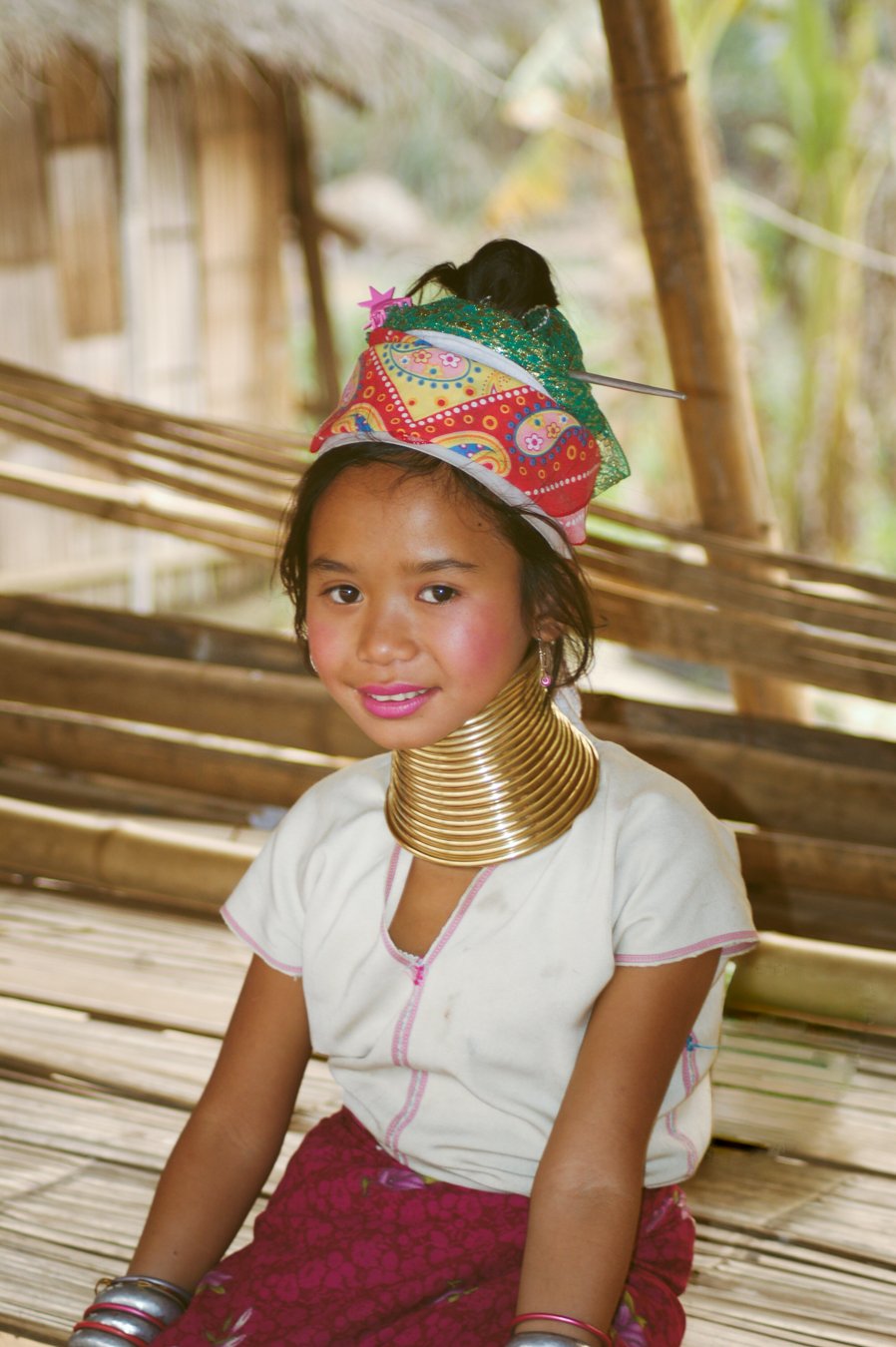
One image has stayed with me more than the others. A young girl, quietly reading a book, the brass rings around her neck. It was obvious even back then that this was a place where women's bodies and appearances were traded on. She was supposed to be part of the attraction. Instead she wasn't interested. She wasn't performing, she was just completely absorbed in her book, ignoring me entirely. I like a lot of women, had known in my own way what it felt like to be on show as a young girl, to perform a version of yourself for other people, to smile when you don't mean it. I loved seeing her act of defiance. I'm not comparing our childhoods, they would be vastly different. I was afforded education and rights she could only dream of.
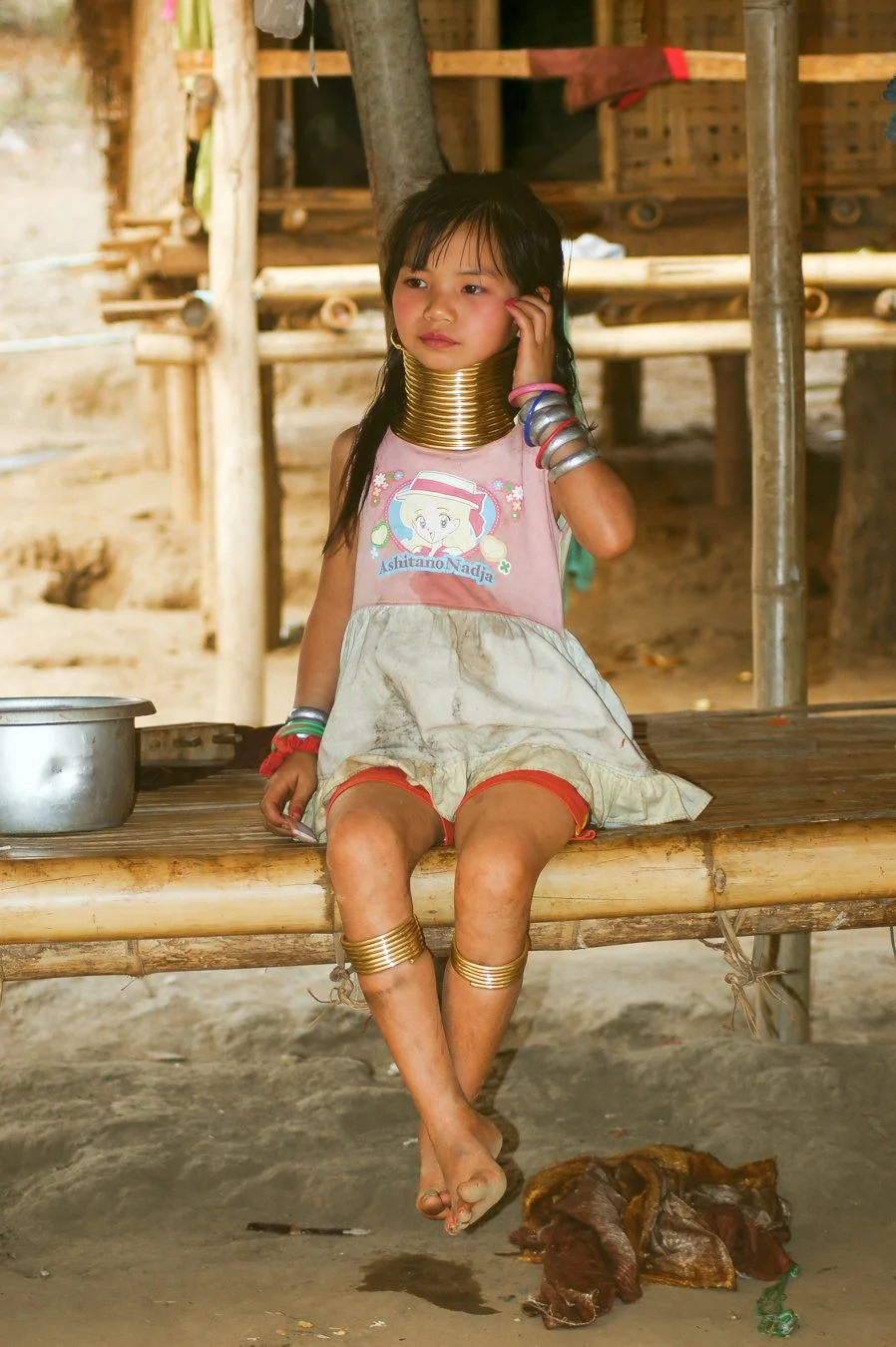
I don't regret visiting these women, and I'm not sure I would discourage future tourists either. From what I understand, this income is genuinely the best option many of them have, and that's where the tension sits. What I hope is that young girls are no longer part of it, that the money these women bring in can be used to support the children in getting an education and allow them more freedoms than their mothers were afforded. If they then choose, as educated adult women, to wear these rings and participate in this tradition, that is fairly their decision.
I was hesitant to post these images. I feel a heaviness looking at them, a sense that these girls never chose to participate in any of this. It brings me to an issue I genuinely struggle with, that photography is never only about what you see. It's about responsibility to the person standing in front of the lens, especially when that person is too young or too vulnerable to fully understand what being photographed means. It makes me sit with something uncomfortable. What right does a photographer have to an image? What rights does the subject hold? How do you share images ethically while protecting the people in them?